
Human Intelligence Project
Research, philosophy and implementation architecture for human capability.
Explore →
About
Colin's work has moved across classrooms, institutions, international education, workforce development and system design. The common thread is a concern with what people become capable of doing, and whether the systems around them can recognize and support that development.
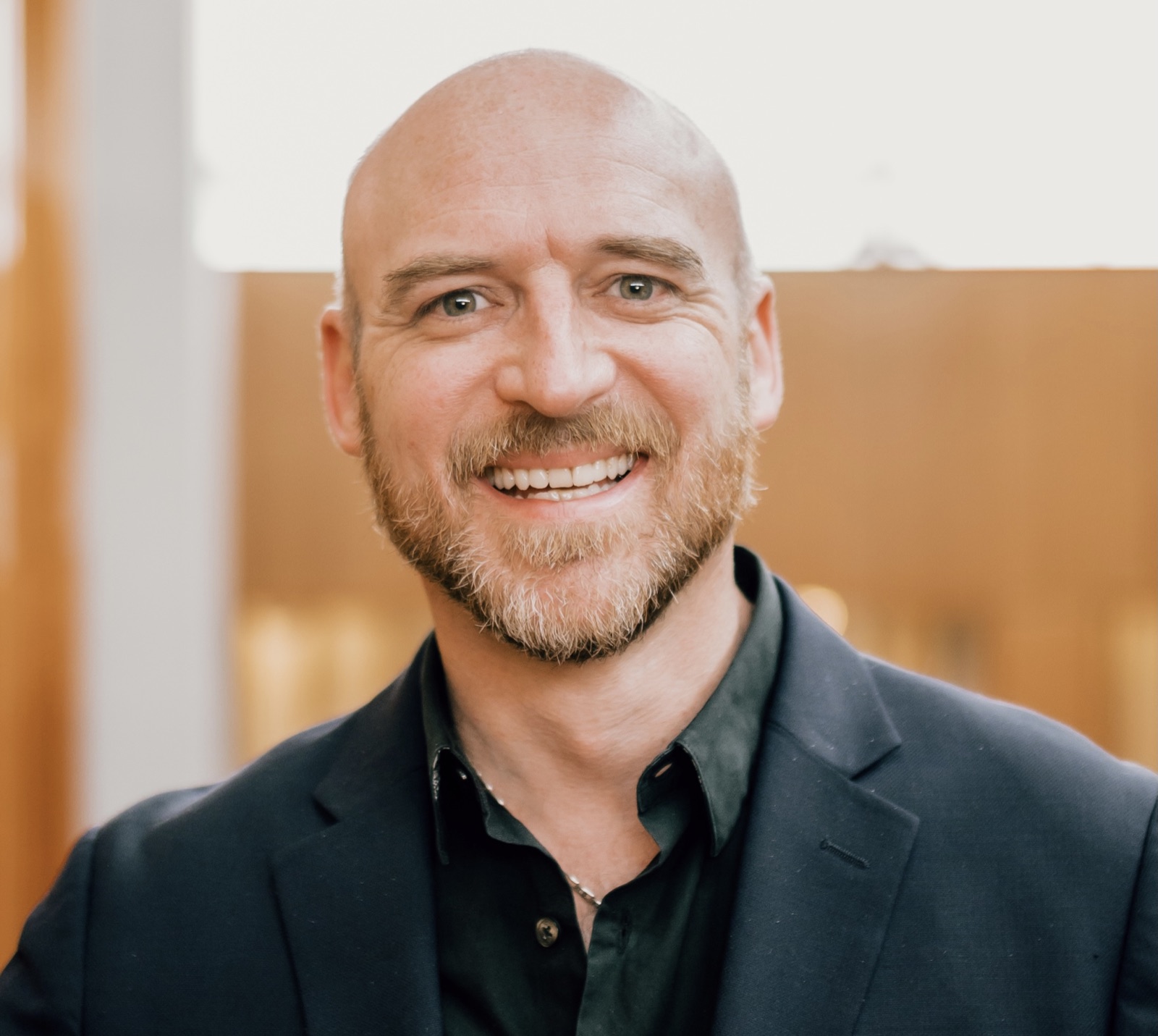
Colin Boguski is a Canadian education leader, author and systems strategist with approximately 30 years of experience across K-12, post-secondary, international education, workforce development, admissions, institutional leadership and partnerships.
His current work focuses on how schools, governments, employers and communities can understand what people are becoming capable of doing without reducing human potential to scores, credentials or automated labels. That work now includes the Human Intelligence Project, PBL Plans Education, strategic work with TechPath Africa, writing, research, speaking and institutional advisory engagements.
The emphasis is practical: begin with a real institutional problem, understand what evidence already exists, identify what is missing, define the capabilities that matter in context, and test a responsible first system or pilot.
Career perspective
School-based learning, project-based learning and education leadership.
Cross-border education, partnerships, recruitment and institutional development.
Admissions, academic environments, career education and institutional leadership.
Education-to-employment pathways, TVET, capability development and dignified livelihoods.
PBLplans, education intelligence and implementation architecture for schools and ministries.
The Human Intelligence Project and the emerging field of Human Capability Development Science.
Economic rationale
Education, employment, productivity, institutional performance and economic development ultimately depend on what people become capable of doing. Better capability systems should help institutions make better use of existing resources, identify where support is needed, strengthen pathways into contribution and preserve learning that would otherwise be lost inside fragmented organizations.
Current focus
Research, philosophy and implementation architecture for human capability.
Explore →Education-system implementation and practical tools for capability development.
Explore →Last-mile digital capability and community development in Uganda.
Explore →Institutional pilots, system design, executive conversations and public speaking.
Explore →